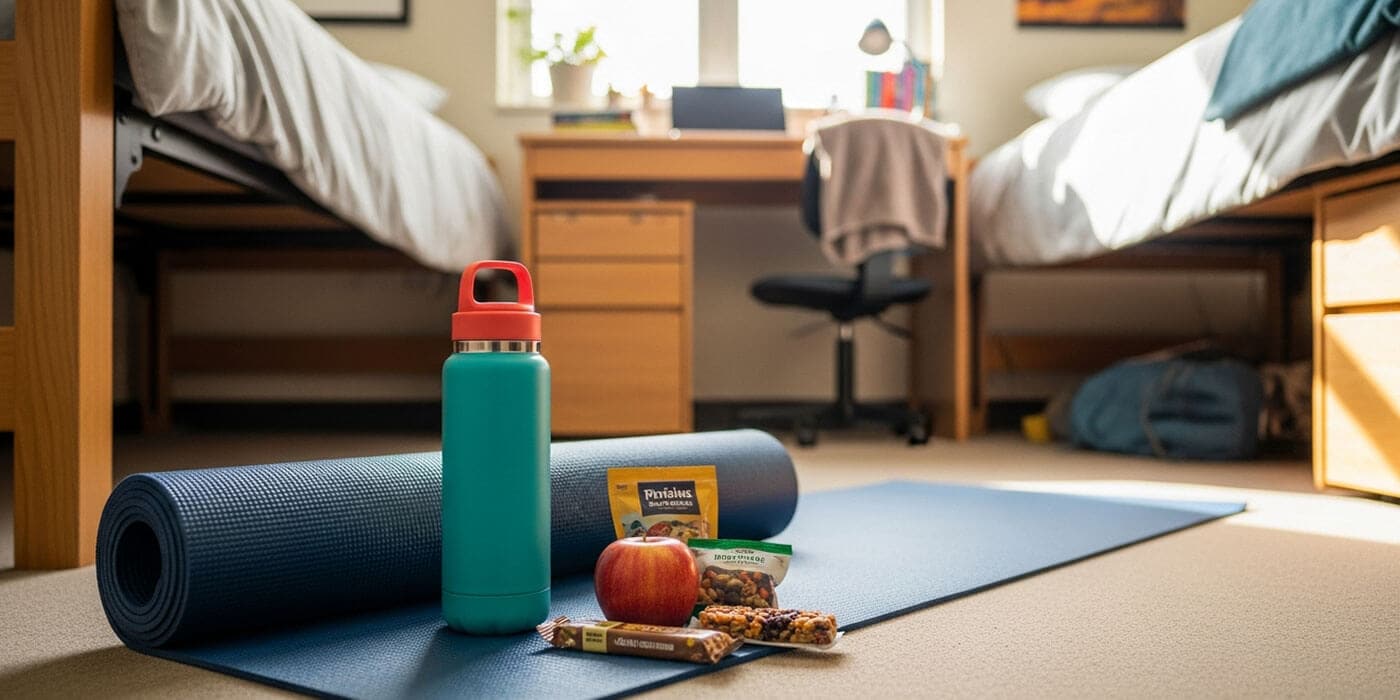
The Secret to Thriving in College: Organization & Consistency

College life can feel like a constant juggling act. Lectures, part-time jobs, club meetings, and social plans all compete for your time and energy. It is easy to feel like you are just trying to keep your head above water.
The good news is that staying organized and consistent does not require becoming a productivity robot or living by a strict schedule. It is about building small, sustainable habits that make your day feel less chaotic and more intentional.
As a college student myself, I have realized that organization is not about perfection; it is about consistency. You do not need a dozen planners, five apps, or color-coded everything. What you need is a system that actually works for you. Here are a few strategies that have helped me maintain balance without burning out.
Time-Block Your Day
Instead of listing twenty tasks and hoping to fit them all in, try time-blocking. This means dedicating chunks of your day to specific tasks: 9–11 a.m. for studying biology, 11 a.m.–12 p.m. for errands, and 1–3 p.m. for work.
This helps you be realistic about how much time tasks take and prevents that “where did the day go?” feeling. I use a digital calendar to plan my time, so I can quickly and easily move things around when plans inevitably change.
Set Micro-Goals
Big projects and exams can feel impossible when you look at them as a whole. That is where micro-goals come in. Break down large tasks into small, doable steps, such as outlining a paper section or reviewing one lecture’s notes.
Checking off small goals gives you momentum and keeps procrastination away. I once broke a ten-page paper into ten short writing sessions, one per day. It was the first time I submitted a large assignment early.
Use Digital Tools Wisely
Apps like Notion, Todoist, and Google Calendar can be game-changers, but only if you actually use them. Do not overcomplicate things with endless tabs and templates. Start simple.
For example, I keep one Notion page for weekly tasks and one for ongoing goals. The less friction there is in updating your system, the more consistent you will be with it.
Recover from “Chaotic Weeks” Gracefully
There will always be messy weeks. You might forget an assignment, skip laundry, or live off vending machine snacks. The key is to reset, not spiral.
I like to do a quick “Sunday reset.” I clean my desk, check upcoming deadlines, and plan one fun thing for the week ahead. It is a way to start fresh without guilt.
Treat Organization as Self-Care
We often think of organization as discipline or control, but it is really a form of self-respect. Having a plan means you are protecting your time, energy, and peace of mind. You are not trying to be perfect; you are trying to make life easier for your future self.
When motivation inevitably dips, rely on consistency rather than willpower. Even ten minutes of focused work or a quick schedule review can keep you grounded. Over time, those small efforts add up to a steady rhythm that keeps you moving forward.
In the end, staying organized is not about doing more. It is about doing what matters most, consistently. When you build systems that fit your lifestyle instead of fighting it, college stops feeling like a balancing act. It starts to feel like something you can truly thrive in.
Do you have a compelling story or student success tips you’d like to see published on the Pearson Students blog? If you are a college student and interested in writing for us – click here to pitch your idea and get started!
About the author

Alissa Ansari
Alissa Ansari is a student at the University of California, Davis, majoring in Neurobiology, Physiology, and Behavior. She aspires to become a family nurse practitioner with a passion for providing holistic, accessible care across all stages of life. Alissa is a former Pearson Campus Ambassador for UC Davis and serves as the chapter president of Delta Gamma, where she leads service and leadership initiatives. She also enjoys writing about student wellness, budgeting, and personal development to help her peers thrive in college and beyond.